Introduction
When it comes to fencing choices, homeowners frequently discover themselves at a crossroads. The option in between modern-day products like Colorbond fencing and traditional alternatives such as wood or vinyl can be daunting. With a myriad of elements to think about-- appearance, sturdiness, upkeep, and cost-- it's vital to weigh the advantages and disadvantages carefully. This short article aims to shed light on Comparing Colorbond Fence with Standard Fencing Options: Which is Best? by diving deep into every aspect of these popular choices.
Understanding Colorbond Fencing
What is Colorbond Fence?
Colorbond fencing is a contemporary fencing option made from high-quality steel coated with a weather-resistant surface. Readily available in numerous colors and styles, it provides visual flexibility while supplying robust defense against the elements.
Key Functions of Colorbond Fencing
Durability: Developed to stand up to extreme weather condition conditions. Low Maintenance: Needs minimal upkeep compared to wood fences. Variety of Styles: Can be found in multiple colors and designs. Eco-Friendly: Made from recyclable materials.The Installation Process of Colorbond Fencing
Colorbond Fence Setup Steps
Planning: Measure your backyard and choose the design. Preparing the Ground: Clear any particles or plant life from the setup area. Setting Posts: Set up vertical posts safely in the ground. Attaching Panels: Attach the Colorbond panels to the posts utilizing brackets.Benefits of Expert Installation
Hiring experts for Colorbond fence installation guarantees precision and adherence to regulations, which can save you time and prevent future issues.
Traditional Fencing Options Explained
Types of Conventional Fences
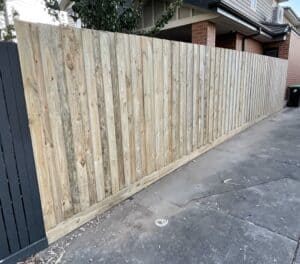
Wooden Fencing- A classic choice known for its natural charm however requires regular maintenance.
- Offers a clean appearance with low maintenance needs however can be susceptible to fading over time.
- A cost-effective option however offers less personal privacy than other options.
Pros and Cons of Wooden Fences
Pros:
- Natural aesthetic appeal Customizable designs Can be dealt with for added durability
Cons:
- High maintenance (painting, staining) Vulnerable to pests May warp or rot over time
Comparing Toughness Between Colorbond and Standard Fencing
Weather Resistance
Colorbond fences excel in withstanding rust, corrosion, and fading due to their steel construction and protective finishing. Conversely, wooden fences are susceptible to rot, while vinyl can crack under severe temperatures.
Longevity Expectations
On average, a well-installed Colorbond fence can last up to 30 years or more with minimal upkeep compared to wooden fences that might require replacement after 10-15 years.
Aesthetic Appeal: Color vs Traditional Styles
Color Options for Your Fence
With Colorbond fencing, you're not limited by nature's palette; you can choose from a large range of colors that match your home's architecture perfectly.
Natural Appearance vs Modern Style
Traditional wooden fences have a natural charm that lots of homeowners like, though they may require staining or painting gradually to keep their appearance.
Cost Analysis: Is It Worth It?
Initial Financial investment Comparison
|Type|Average Expense per Meter|| -----------------|------------------------|| Colorbond|$75 - $120|| Wooden|$50 - $100|| Vinyl|$60 - $90|| Chain Link|$30 - $60|
While preliminary expenses for wooden fences can be lower, their ongoing maintenance costs make them more pricey in the long run compared to the relatively problem-free nature of Colorbond fencing.
Maintenance Requirements Compared
What Does Maintenance Look Like?
Colorbond: Very little upkeep; simply a periodic wash down. Wood: Regular treatments versus insects and weathering. Vinyl: Requires cleansing however is generally low-maintenance unless damaged.Time Investment in Upkeep Over Years
Over ten years:
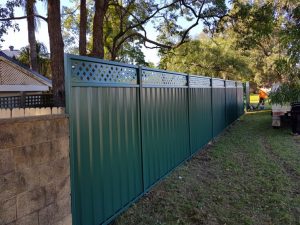
- Colorbond: Around 5 hours total Wood: Roughly 50+ hours total Vinyl: Approximately 20 hours total
Environmental Effect Assessment
Sustainability of Materials Utilized in Fences
Colorbond fencing is made from recyclable products, making it an eco-friendly choice compared to traditional wood which frequently involves logging practices unless sourced sustainably.

Impact After Life Cycle Completion
At the end of its life cycle:
- Colorbond can be recycled entirely. Wooden fences contribute considerably to land fill waste if not disposed properly.
Security Aspects of Different Fencing Types
What Level of Privacy Does Each Choice Provide?
Privacy Levels
- Colorbond: Deals complete privacy due to strong panels. Wood: Can also offer personal privacy however depends on height and gaps between boards. Chain Link: Least personal alternative; generally see-through unless covered by slats or vines.
How Secure Are They Against Intruders?
With its solid structure, a Colorbond fence acts as a reliable deterrent versus burglars due to its strength compared with more easily breached options like wooden or chain link fences.
FAQs about Comparing Colorbond Fence with Traditional Fencing Options
1. What is the life-span of a Colorbond fence?
A well-installed Colorbond fence can last more than thirty years with very little upkeep required.
2. Is installing a Colorbond fence expensive?
The preliminary expense may be higher than wood alternatives; nevertheless, thinking about longevity and low upkeep needs, it's frequently more affordable long-lasting.
3. Can I paint my Colorbond fence?
No requirement! The color is baked into the steel during production; painting isn't needed however touch-ups might be possible if scratched heavily.
4. How does a wooden fence compare in terms of privacy?
A wooden fence can use great privacy depending on its height and how carefully positioned the boards are together compared to strong panels provided by color bond solutions.
5. Are there any specific authorizations required for installing a new fence?
Yes! Regional regulations might need permits; check with your local council before proceeding with any setup work for compliance purposes!
6. How do I keep my wooden fence?
Regular treatments against pests such as termites along with periodic repainting or staining will bolster durability considerably!
Conclusion
In conclusion, when we're speaking about comparing color bond fences with standard fencing options-- the scales tip heavily toward color bond due mostly since of its resilience integrated alongside low-maintenance requirements! While standard wood has its appeal & & aesthetic appeal-- it simply can not hold up against what innovation has offered us today through ingenious products like this one! Making an informed decision based on your distinct requirements will lead you toward selecting not only what looks best however also functions effectively within your lifestyle-- so weigh those aspects thoroughly!
Whether you select smooth modernity or rustic beauty-- each has merits deserving severe consideration as you create limits around your cherished home sweet home!